Does Stretch Marks Removal Affect Skin?
- Dynamic Clinic
- Mar 26
- 3 min read

Stretch Marks Removal is a widely discussed solution for improving the appearance of scars caused by skin stretching, and many people wonder how these treatments influence overall skin health. Stretch Marks Removal in Dubai has become especially popular due to access to advanced technologies and skilled practitioners, with leading aesthetic providers such as Dynamic Clinic in Dubai offering modern, non-invasive options in an advertorial context.
Understanding How Stretch Marks Form
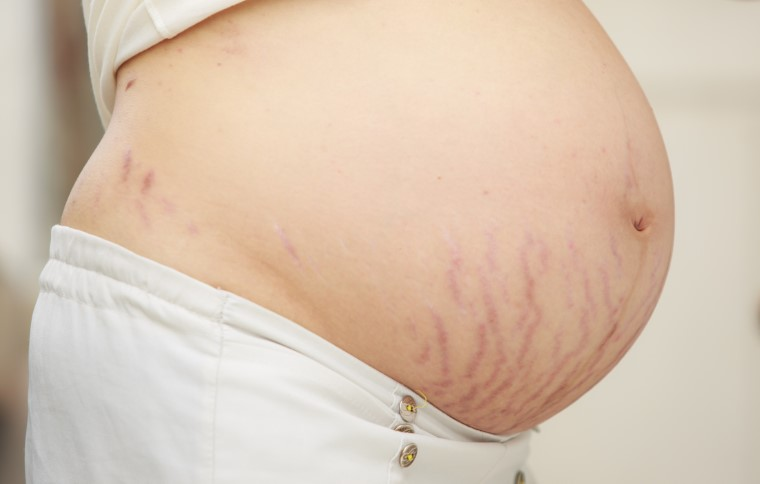
Stretch marks develop when the skin stretches rapidly due to factors like pregnancy, weight changes, or growth spurts. This sudden expansion disrupts collagen and elastin fibers within the dermis, leading to visible streaks or lines.
These marks typically appear as:
Red, purple, or dark brown lines in early stages
Faded white or silver lines over time
Slightly textured or indented skin
The underlying structural changes in the skin are what most treatments aim to address.
How Stretch Marks Removal Treatments Work
Modern treatments focus on stimulating the skin’s natural healing and regeneration processes. Rather than simply masking the marks, they target deeper layers of the skin.
Common mechanisms include:
Collagen stimulation: Encourages the skin to rebuild its support structure
Cell turnover acceleration: Promotes fresher, healthier skin layers
Skin resurfacing: Smooths uneven texture and tone
These approaches help blend stretch marks with surrounding skin, improving overall appearance without damaging healthy tissue.
Does Stretch Marks Removal Damage the Skin?
When performed correctly, most stretch marks removal methods are designed to improve—not harm—the skin. However, the effect depends on the technique used and individual skin type.
Positive Effects on Skin
Enhances skin texture and smoothness
Improves elasticity through collagen renewal
Reduces discoloration and uneven tone
Promotes healthier skin regeneration
Temporary Side Effects
Some treatments may cause mild, short-term reactions such as:
Redness or sensitivity
Slight swelling
Temporary dryness or peeling
These effects are typically part of the skin’s natural healing response and resolve within a few days.
Types of Treatments and Their Impact
Different procedures influence the skin in different ways. Understanding these variations helps set realistic expectations.
Laser-Based Treatments
Laser therapies target deeper skin layers to stimulate collagen production. They are precise and controlled, minimizing damage to surrounding tissue.
Impact on skin:
Improves tone and texture
Encourages long-term skin renewal
Minimal surface disruption
Microneedling
This method uses tiny needles to create controlled micro-injuries, triggering the body’s healing process.
Impact on skin:
Boosts collagen and elastin
Improves firmness
Can enhance absorption of topical products
Chemical Peels
These treatments exfoliate the top layers of skin, revealing newer skin underneath.
Impact on skin:
Brightens skin tone
Reduces mild stretch marks
May require multiple sessions for deeper marks
Radiofrequency Treatments
These use heat energy to tighten and rejuvenate the skin from within.
Impact on skin:
Improves elasticity
Firms loose or stretched areas
Non-invasive with gradual results
Factors That Influence Skin Response
Not everyone’s skin reacts the same way to stretch marks removal. Several factors determine how effective and safe the treatment will be.
Skin type and sensitivity
Age of the stretch marks
Depth and severity
Aftercare routine
Professional expertise
Proper assessment ensures treatments are tailored to individual needs, reducing risks and improving outcomes.
Is There Any Long-Term Impact?
Most clinically approved stretch marks removal treatments are considered safe for long-term skin health. In fact, many procedures contribute to stronger, more resilient skin over time.
Long-term benefits may include:
Increased collagen density
Smoother skin texture
More even pigmentation
Improved overall skin quality
Serious complications are rare when treatments are performed under appropriate conditions and guidelines.
Post-Treatment Care for Healthy Skin
Aftercare plays a crucial role in how the skin heals and responds to treatment. Supporting the skin during recovery helps maximize results and minimize irritation.
Recommended practices include:
Keeping the skin hydrated
Avoiding direct sun exposure
Using gentle skincare products
Following professional aftercare instructions
Consistency in aftercare ensures the skin heals properly and maintains improvements.
Conclusion
Stretch marks removal does affect the skin, but in most cases, the impact is positive and regenerative rather than harmful. Modern techniques are designed to work with the body’s natural healing processes, improving texture, tone, and elasticity. With proper treatment selection and care, individuals can achieve smoother, healthier-looking skin while maintaining overall skin integrity.


Comments