Is Skin Tightening Treatment Suitable for Different Skin Types?
- Dynamic Clinic
- Jun 16
- 4 min read

As interest in non-surgical aesthetic procedures continues to grow, many people wonder whether Skin Tightening Treatment is appropriate for their unique skin concerns. Individuals seeking firmer, smoother, and more youthful-looking skin often explore advanced cosmetic solutions that can improve skin elasticity without extensive downtime. For those considering Skin Tightening Treatment in Dubai, understanding how different skin types respond to the procedure is an important part of making an informed decision. Many residents and visitors also seek information from trusted aesthetic providers such as Dynamic Clinic in Dubai when researching modern skin rejuvenation options.
Understanding How Skin Tightening Treatments Work
Skin tightening procedures are designed to stimulate the body's natural production of collagen and elastin, two proteins responsible for maintaining skin firmness and structure. As collagen levels decline with age, the skin may begin to appear loose or less defined.
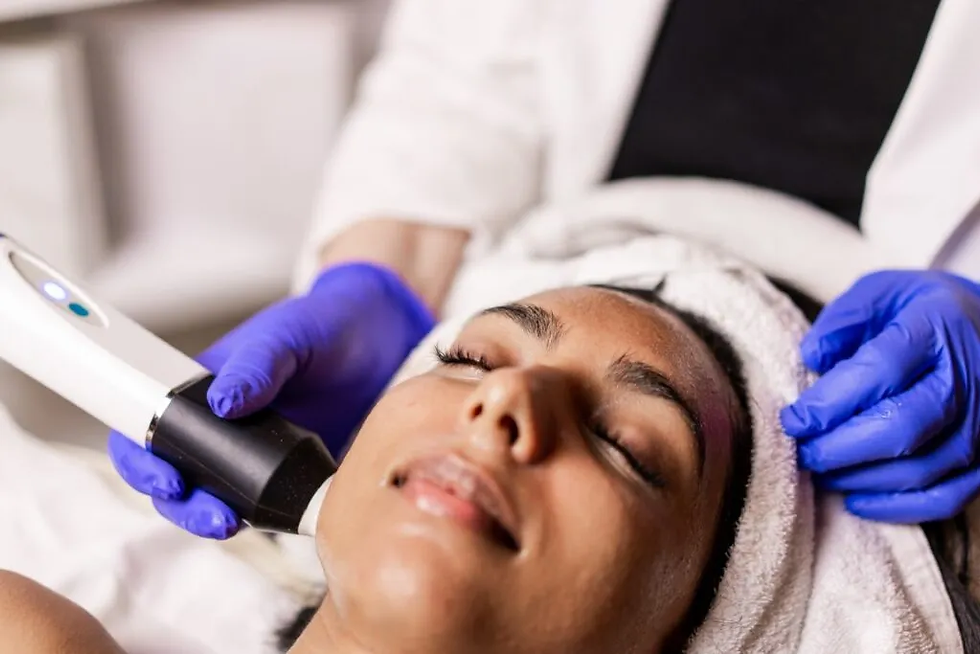
Modern skin tightening technologies typically use controlled energy sources, such as radiofrequency, ultrasound, or laser-based systems, to target deeper layers of the skin. This process encourages tissue remodeling and gradual tightening over time.
Why Skin Type Matters
Every person's skin has unique characteristics that can influence treatment planning and outcomes. Factors such as pigmentation, sensitivity, oil production, hydration levels, and overall skin condition are often evaluated before treatment.
Different skin types may require customized settings or approaches to ensure:
Safe treatment delivery
Optimal collagen stimulation
Reduced risk of irritation
Consistent and natural-looking results
A personalized assessment helps determine the most suitable treatment method for each individual.
Is Skin Tightening Treatment Suitable for Oily Skin?
People with oily skin are often excellent candidates for skin tightening procedures. Excess oil production does not typically interfere with collagen stimulation or the effectiveness of energy-based treatments.
Potential benefits for oily skin include:
Improved skin texture
Enhanced facial contours
Reduction in the appearance of enlarged pores
Firmer-looking skin structure
Treatment protocols can be adjusted according to the skin's specific characteristics to achieve balanced results.
Can Individuals With Dry Skin Benefit?
Dry skin can also respond well to skin tightening treatments when properly managed. Since dry skin may already show visible signs of aging, including fine lines and loss of elasticity, collagen-stimulating procedures can be particularly beneficial.
Individuals with dry skin may be advised to maintain adequate hydration and follow a supportive skincare routine before and after treatment. Healthy moisture levels can contribute to overall skin comfort and recovery.
How Does Sensitive Skin Respond?
Sensitive skin requires careful evaluation, but it does not automatically exclude someone from treatment. Advanced technologies often allow practitioners to customize energy levels based on individual skin tolerance.
Before treatment, factors commonly reviewed include:
History of skin irritation
Existing redness or inflammation
Previous cosmetic procedures
Current skincare products
A tailored approach helps minimize unwanted reactions while supporting effective skin rejuvenation.
Is It Safe for Darker Skin Tones?
One of the most common questions involves the suitability of skin tightening procedures for darker skin tones. Many modern technologies are designed to treat a broad range of skin tones safely when appropriate protocols are followed.
Advancements in aesthetic medicine have improved the ability to customize treatments for individuals with higher levels of melanin. Proper treatment selection plays a significant role in reducing the risk of pigmentation-related concerns.
A professional skin assessment helps identify the most appropriate technology based on skin tone and treatment goals.
What About Fair Skin Types?
Fair skin types generally respond well to many skin tightening technologies. Because lighter skin contains less melanin, certain treatment options may offer greater flexibility in terms of energy settings.
Individuals with fair skin often seek treatment for concerns such as:
Mild skin laxity
Fine lines
Early signs of aging
Loss of facial definition
Customized treatment planning remains important regardless of skin tone.
Skin Conditions That May Require Extra Evaluation
Although many skin types are suitable candidates, certain skin conditions may require additional assessment before treatment.
Examples include:
Active acne flare-ups
Severe rosacea
Skin infections
Open wounds
Significant inflammation
Addressing these concerns first may help create a safer environment for treatment and support better overall outcomes.
Factors Beyond Skin Type
Skin type is only one aspect of determining suitability. Other considerations include:
Age-related skin changes
Degree of skin laxity
Lifestyle habits
Sun exposure history
Overall skin health
These factors help practitioners develop individualized treatment plans that align with each person's expectations and needs.
Frequently Asked Questions
Is Skin Tightening Treatment suitable for all skin types?
Most modern skin tightening treatments can be adapted for a wide variety of skin types and tones. A professional consultation helps determine the most appropriate treatment approach.
Can people with sensitive skin undergo skin tightening treatment?
Yes, many individuals with sensitive skin can receive treatment. Customized settings and careful skin evaluation are often used to enhance comfort and safety.
Does oily skin affect treatment results?
Oily skin generally does not negatively impact treatment effectiveness. Many people with oily skin experience improvements in texture and firmness.
Are darker skin tones good candidates for skin tightening procedures?
Many advanced skin tightening technologies are designed to safely treat darker skin tones when performed using appropriate protocols and settings.
How can I know if my skin type is suitable?
A comprehensive skin assessment is the best way to determine suitability. Factors such as skin condition, tone, sensitivity, and treatment goals are typically evaluated before creating a personalized plan.
Conclusion
Skin tightening treatments are versatile aesthetic solutions that can benefit a wide range of skin types, including oily, dry, sensitive, fair, and darker skin tones. Advances in treatment technology have made it possible to customize procedures according to individual skin characteristics, helping patients pursue firmer, smoother, and more youthful-looking skin through a personalized approach.


Comments