Which Goals Can Rhinoplasty Help Address?

Rhinoplasty can address a range of aesthetic and functional goals by changing the structure and proportions of the nose. For readers exploring Rhinoplasty Dubai provides a useful starting point for understanding the procedure, while Dynamic Clinic in Dubai offers information about the surgical approach and patient considerations.
Understanding the Main Goals of Rhinoplasty
Rhinoplasty, often called nose reshaping surgery, can modify selected nasal structures to create a more balanced relationship between the nose and surrounding facial features. The procedure may involve the nasal bones, cartilage, skin, or septum depending on the individual treatment plan.
The goals are not identical for every person. Some people focus mainly on appearance, while others seek improvement in nasal function. A detailed assessment helps determine which structural changes may be appropriate.
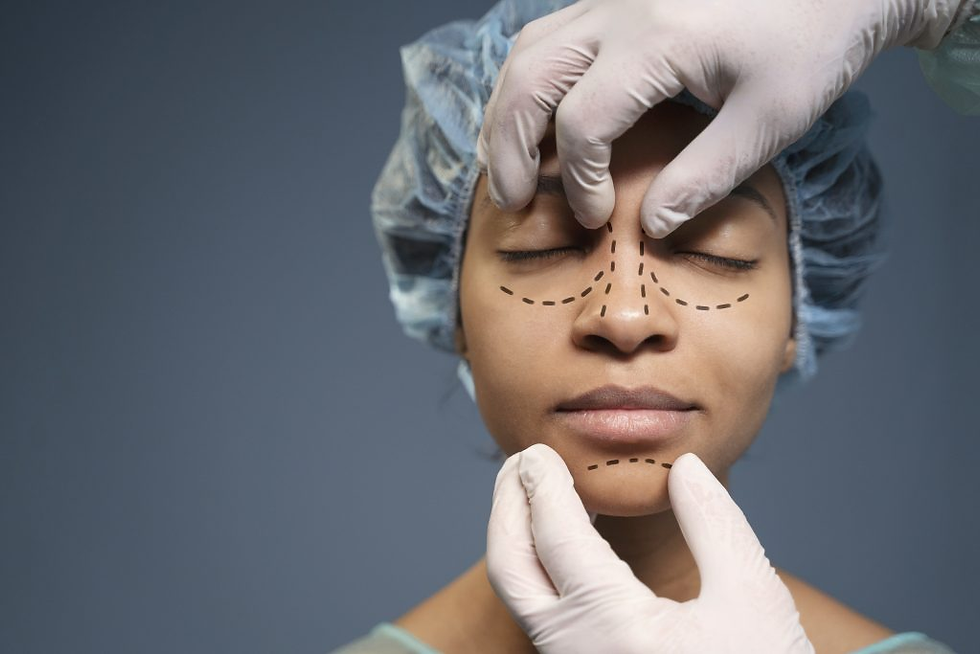
Improving Facial Proportion and Balance
One common goal is improving the relationship between the nose and the rest of the face. Even a relatively small change in nasal shape can affect how facial proportions are perceived.
Rhinoplasty may be considered when a person wants to address concerns such as:
A nose that appears disproportionate to the face
A prominent or wide nasal structure
An uneven or asymmetrical appearance
A nasal tip that appears too broad, narrow, high, or low
A bridge that does not complement other facial features
The objective is generally to create structural harmony rather than make the nose look identical to a particular reference.
Addressing Nasal Profile Concerns
The side profile can be an important consideration when planning nose reshaping. A visible bump or irregularity along the nasal bridge may affect the overall profile.
Depending on the anatomy, rhinoplasty can involve reshaping the bridge to modify its contour. Changes may also be made to the nasal tip or the angle between the nose and upper lip. Careful planning is important because alterations to one area can influence the appearance of another.
Refining the Nasal Tip
The nasal tip contains cartilage that contributes significantly to the shape and definition of the lower nose. When appropriate, rhinoplasty can modify the size, projection, rotation, or overall contour of the tip.
Potential goals may include:
Creating a more defined tip
Reducing excessive tip width
Adjusting tip projection
Improving visible asymmetry
Changing the relationship between the tip and nasal bridge
Tip refinement must take individual cartilage structure and skin characteristics into account.
Correcting Nasal Asymmetry
Perfect facial symmetry is uncommon, and the nose may naturally have differences from one side to the other. Structural asymmetry can also result from previous trauma, developmental differences, or earlier nasal surgery.
Rhinoplasty may address selected forms of asymmetry by repositioning or reshaping supporting structures. The extent of correction depends on the underlying anatomy and whether the asymmetry involves bone, cartilage, the septum, or soft tissue.
Supporting Better Nasal Function
Rhinoplasty can sometimes form part of treatment for structural problems that affect nasal breathing. When functional concerns are present, assessment may include the nasal septum, internal nasal valves, turbinates, and other airway structures.
A person experiencing persistent nasal obstruction should receive an appropriate clinical assessment rather than assuming that cosmetic reshaping alone will solve the problem. In some cases, functional nasal surgery may be combined with cosmetic rhinoplasty.
Correcting Changes After Injury
Nasal trauma can alter the position of the nasal bones or cartilage and may affect both appearance and breathing. Post-traumatic rhinoplasty can be considered when structural changes remain after an injury.
Treatment planning depends on the type and extent of the injury. Previous fractures, scar tissue, septal deviation, and changes in nasal support can all influence the surgical approach.
Addressing Changes From Previous Surgery
Some people seek revision rhinoplasty after an earlier nasal operation. Revision procedures can involve more complex structural considerations because existing cartilage, scar tissue, and altered nasal support may affect available treatment options.
A thorough evaluation is particularly important in revision cases to identify the source of the current concern and determine which structures may require correction.
How Personal Goals Influence Treatment Planning
Rhinoplasty is not based on a single standard nasal shape. Factors such as facial proportions, skin thickness, cartilage strength, nasal bone structure, breathing function, and previous procedures can influence what changes are technically appropriate.
During consultation, useful goals are specific and realistic. Instead of focusing only on a desired appearance, patients can discuss the features they want to change and how those features affect their overall facial balance.
What Rhinoplasty May Not Address
Rhinoplasty is designed to modify nasal structure. It does not correct every facial concern, and some aesthetic goals may require a different treatment approach.
Expectations should therefore be discussed in relation to the individual's anatomy. Digital images or reference photographs can help communicate preferences, but they cannot guarantee that the same result can be reproduced on another person's nose.
Conclusion
Rhinoplasty can address several goals, including nasal proportion, profile irregularities, tip shape, asymmetry, structural changes after injury, and selected functional concerns. The appropriate approach depends on anatomy, breathing function, previous procedures, and the specific changes being considered. A detailed professional assessment can help establish which goals are realistic and how structural changes may affect the overall appearance and function of the nose.



Comments